
Psycho-Sleuth Guide: How to Play, Investigate and Win Debates
Psycho-Sleuth guide to the case loop—Logic Church Selection, investigation, Debate Mode, Truth Reconstruction, and official control tips.
FAQ
What is the basic case loop in Psycho-Sleuth?
How does Debate Mode work?
What does pressing Q do during debates?
Can I remap controls?
How long is the full game?
What is the core loop in one Selection case?
Psycho-Sleuth runs on a repeating detective rhythm inside the Logic Church Selection: someone commits murder under distorted rules, you investigate and explore for clues, then fight contradictions in Debate Mode, then piece the timeline together in Truth Reconstruction Mode. The Steam store page states that cognitive disorders reshape every crime scene, so the loop is less about reflexes and more about reading how Pathosync warps testimony and evidence.
Think of each chapter as one long trial week. Story scenes introduce the Afflicted Ones—thirteen participants, each carrying a rare disorder and an Afflicted Power the marketing also calls Pathosync. When a body appears, you leave the church hub, click through locations, and fill your clue log. Debates are timed logic duels: every line can be accepted, refuted with the right clue, or held for later. Reconstruction closes the case by asking you to order events correctly before the Logic Church passes judgment.
How does investigation and exploration work?
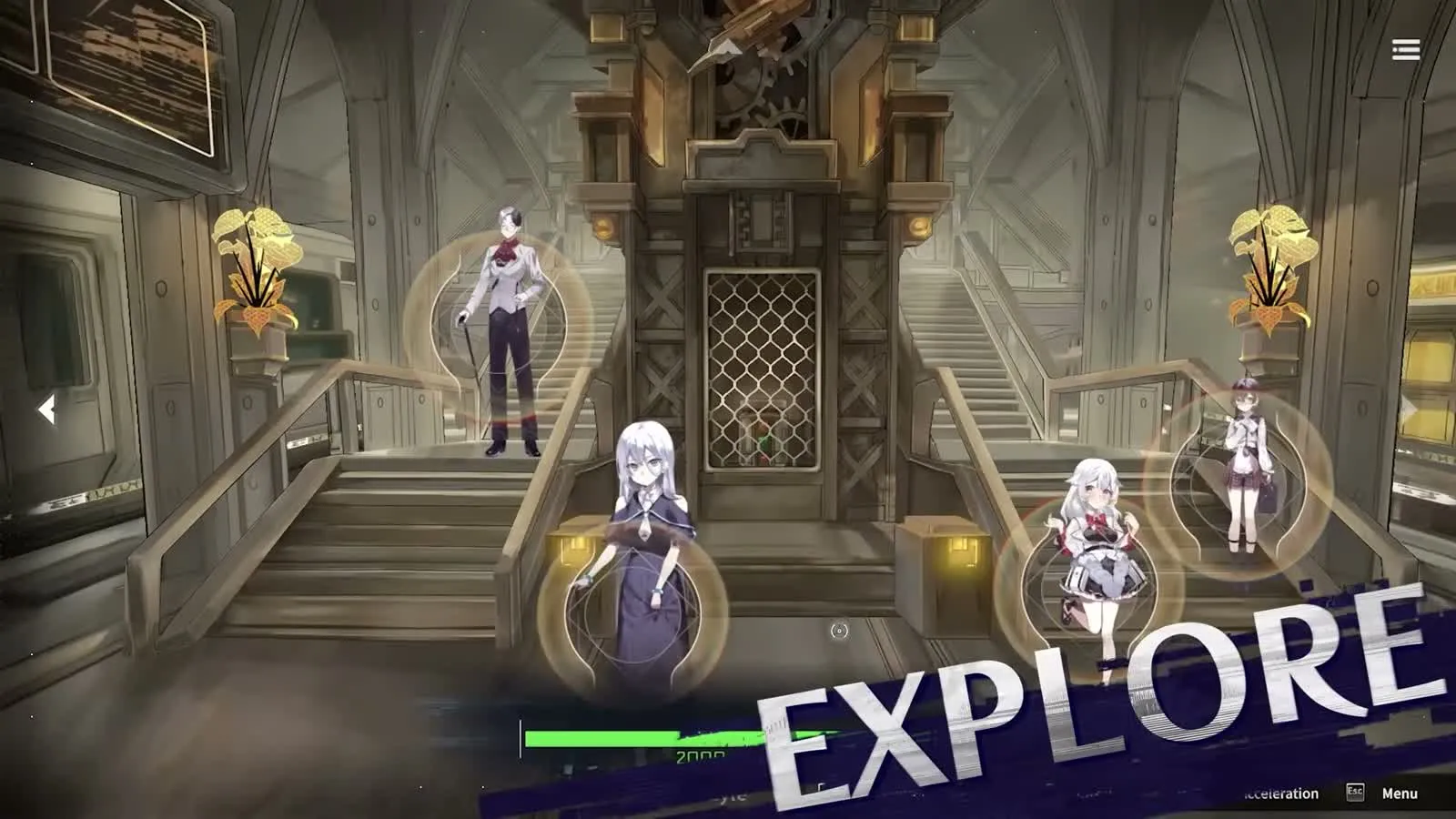
The free demo announcement lists investigation, exploration, and debate-driven deduction as the demo’s three mechanical pillars. In practice you walk 3D backgrounds, talk to the cast, and inspect hotspots until new clues land in your inventory-style log. Because disorders are contagious—Steam’s short description warns that afflicted perception spreads—you cannot assume a witness saw the same room you see.
Use investigation time to note who was present, which objects can be examined twice, and which statements will matter later in debate. The game is a visual novel at heart (five chapters, Live2D cast, voiced Japanese track per Steam specs), so missing a dialogue flag can lock you out of a clue until you backtrack. When a case escalates, the story funnel pushes you into Debate Mode with whatever evidence you already collected; there is no separate RPG grind.
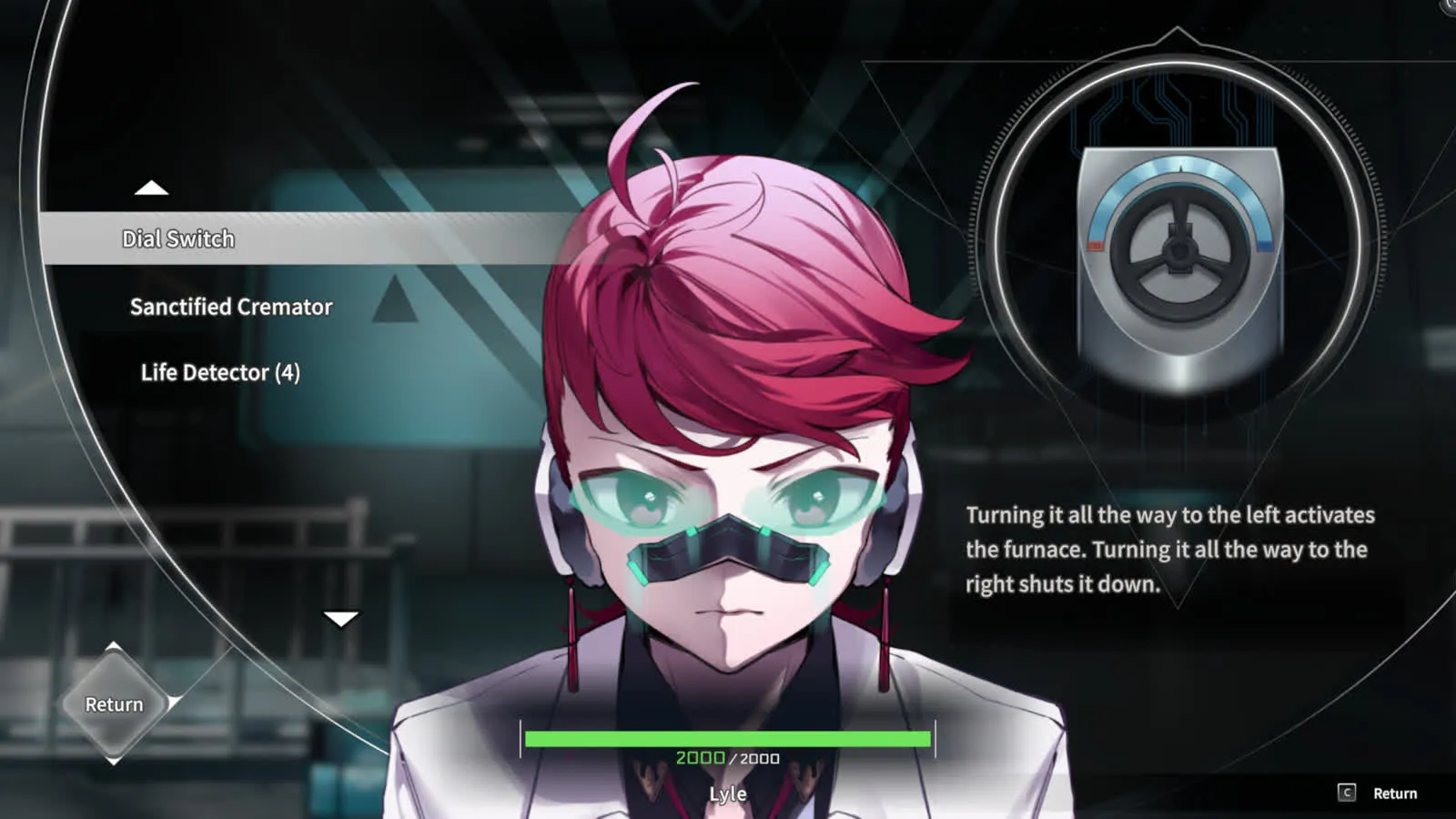
For a spoiler-safe walkthrough of the first case’s beats, see the Chapter 1 walkthrough. Character-focused disorder context lives on pages such as Lyle and Lena.
How does Debate Mode work?
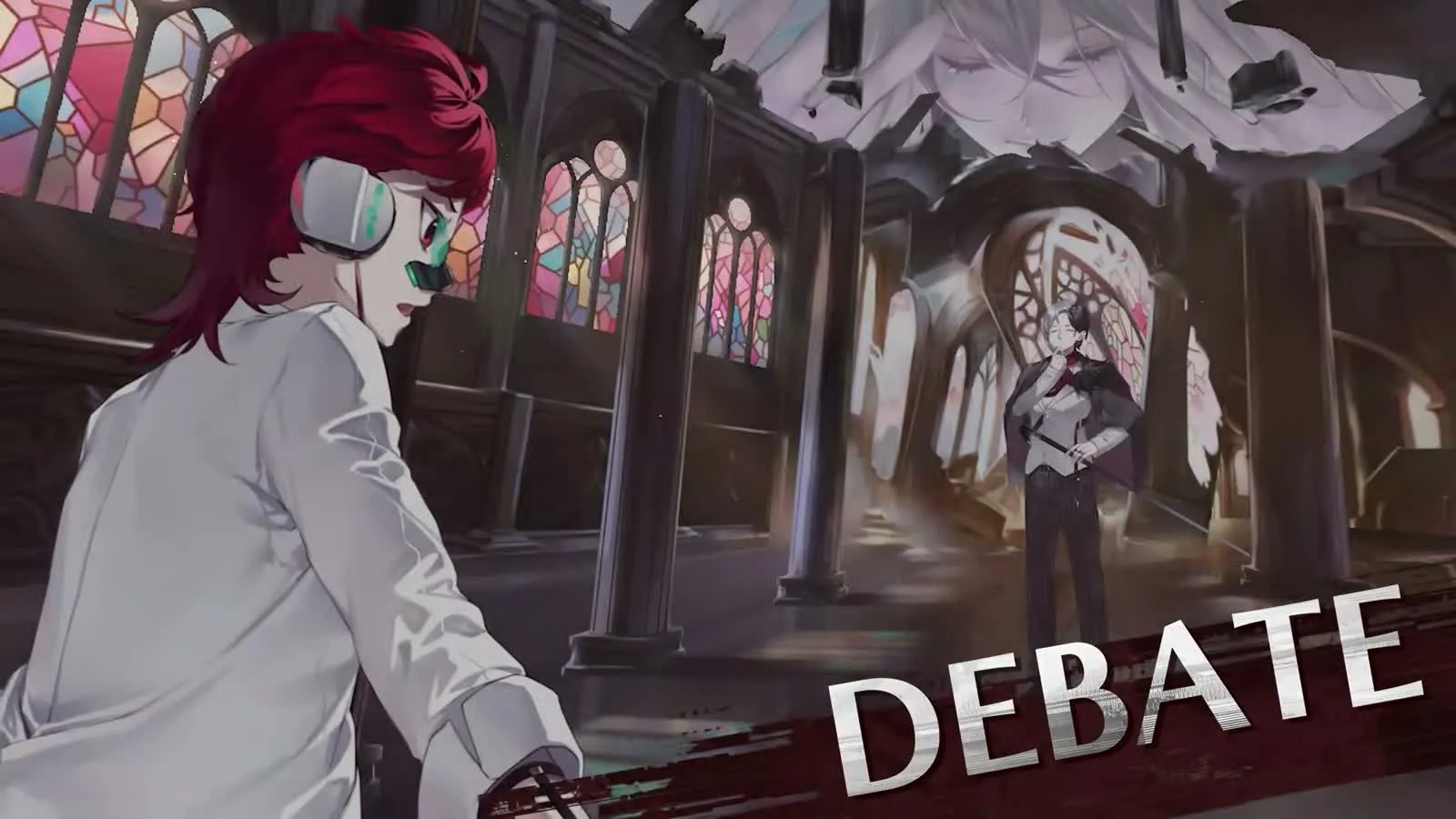
Debate Mode is the headline mechanic on Steam: you rapidly judge every statement—either accept the words or strike back with the right clue. Official copy emphasizes logic, instincts, and time management, which matches player-facing UI that presents one assertion at a time while a timer keeps pressure on.
Your job is to map each pink or highlighted line to a clue you already hold. Accepting can be correct when a witness is telling the literal truth under an Afflicted Power (for example, conditions where lies become impossible—see the OCD example on the store page). Refuting demands the exact piece of evidence that exposes a contradiction born from neglect, face blindness, or another Pathosync effect. Wrong choices waste precious seconds and can force full debate retries, though Thermite has not documented exact fail states in public patch notes.
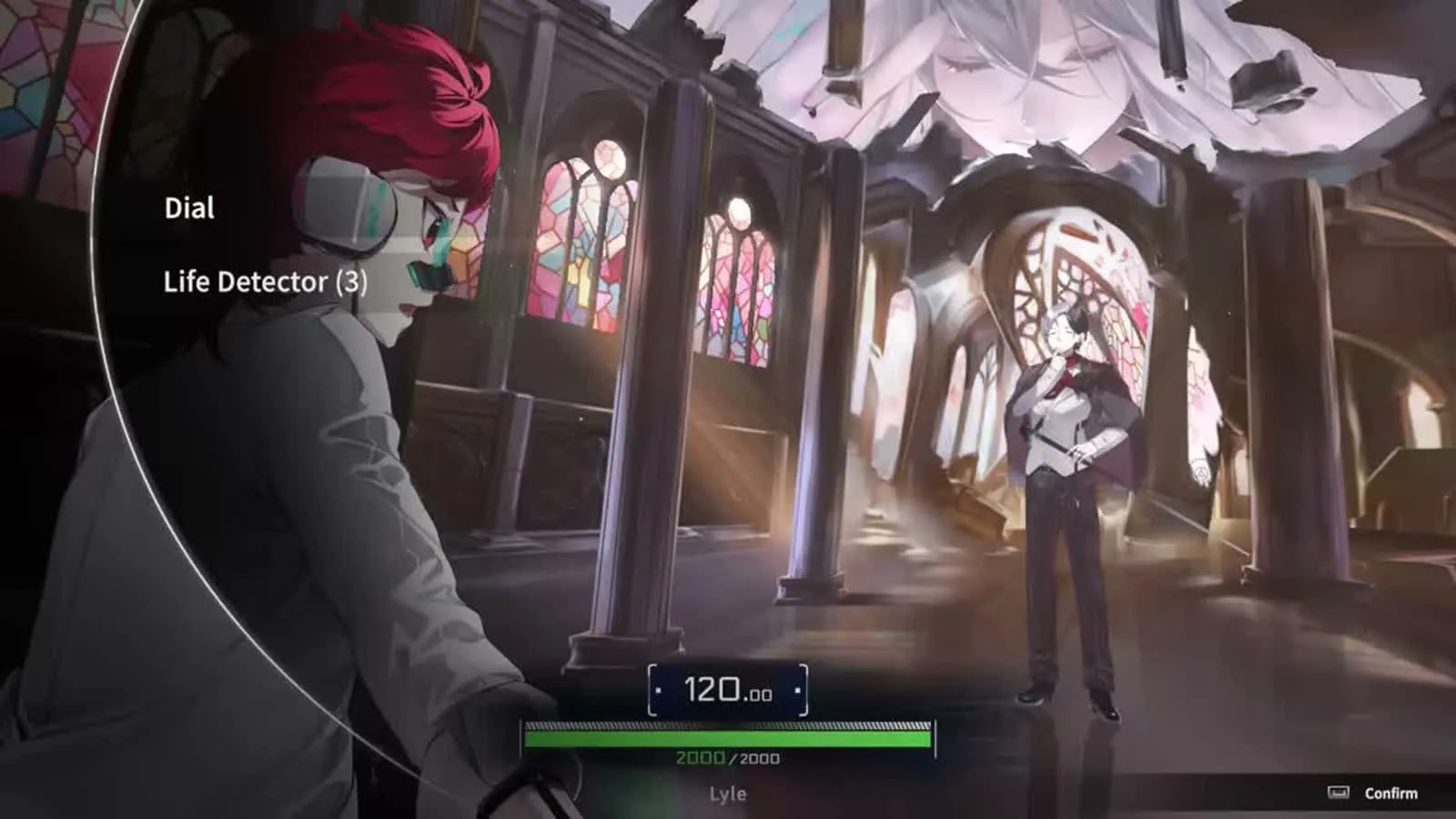
Debates are not turn-based battles in the RPG sense—they are structured verbal duels with animation flourishes. Pacing received several demo patches: Thermite tightened animation flow in late 2025 and later added hotkey customization so rebinding makes investigations and debates feel snappier.
What is Truth Reconstruction Mode?
Truth Reconstruction Mode appears once debates surface enough facts to rebuild a crime. The October 3, 2025 demo patch notes explicitly mention extending the timer in this mode, which tells us it is a timed puzzle layer separate from verbal refutes. Official marketing does not spell out every UI widget here, but reconstruction is the third beat after clue gathering and Debate Mode: you translate scattered testimony back into a coherent sequence.
Treat reconstruction as the sanity check on your theory. If Debate Mode asks “which clue breaks this lie?”, reconstruction asks “what order of events fits every clue simultaneously?”. When you are stuck, revisit investigation scenes before burning the clock—demo feedback is what prompted the longer timer in the first place.
Which official control tips save time?
Thermite’s public demo patches document a few quality-of-life fixes that still matter in the full release:
- Hotkey customization (November 30, 2025 demo update): rebind investigation and debate inputs so confirm/refute/clue menu buttons match your keyboard or controller layout. Full controller support arrived in the September 17, 2026 demo patch, which also carried the developer’s Steam Deck compatibility claim (Valve’s own badge was Unsupported on 2026-11-06; verify on your hardware).
- Press Q during debates (October 3, 2025 demo update): jump back to the main debate screen without reselecting evidence, which makes it cheap to test another clue line.
- Story readability: the same October patch added player-controlled subtitles during story animations so fast-cut scenes do not skip readable text—useful before high-stakes debates.
Accessibility toggles on Steam also list adjustable difficulty, save-anytime, and subtitle options; gore displays in full by default, but the November 5, 2026 streaming guidelines note a Gore Display setting if you prefer a cleaner screen while recording.
Screenshots: official Psycho-Sleuth Steam store images and Thermite Games trailer frames, © PHOSEPO / Thermite Games.
Where should you go next?
Once the loop makes sense, read The Selection explained for the Logic Church rules text, then Pathosync explained for the three store-page examples (OCD, spatial neglect, prosopagnosia) plus the Alien Limb Syndrome teaser. When you are ready to commit time or hardware, check How long to beat Psycho-Sleuth and system requirements & Steam Deck. The guides hub lists every onboarding article as it goes live.
Related videos

Related Articles
cases
Psycho-Sleuth Chapter 1 Walkthrough: Case One (Spoiler-Gated)
Psycho-Sleuth chapter 1 walkthrough hub: how Case One works in the Selection, demo vs full release, and spoiler-free tips—answers behind gates.
characters
Fayse — Psycho-Sleuth Prosopagnosia & Face-Blind Pathosync
Fayse is a Psycho-Sleuth Afflicted One tied to prosopagnosia in reviews—faces blur into anonymity per Steam’s store hook. Spoiler-light character profile.
characters
Kizuna — Psycho-Sleuth Spatial Neglect Character Profile
Kizuna is a Selection participant tied to spatial neglect in Psycho-Sleuth—left-side perception gaps that warp evidence. Spoiler-light profile plus gated case links.
Was this helpful?
Thanks for the feedback!